

Everyone remembers to book flights. Most people remember travel insurance too. What gets skipped is checking the local laws. And that’s usually where the unnecessary problems start.
The funny thing is, tourists rarely end up paying a fine because they’re trying to do something wrong. It’s usually because they had no idea a rule even existed. Something that’s completely normal back home suddenly isn’t allowed anymore. That’s why spending twenty minutes looking things up before a trip is probably more useful than spending another hour deciding between two hotels.
Table of Contents
Table of Contents
Don’t Assume Your Medication Is Fine Everywhere
This catches people out every year. A packet of tablets sitting in a backpack doesn’t seem like a big deal until airport security starts asking questions.
Some medicines that are easy to buy in one country are tightly controlled somewhere else. Codeine is one example. Certain ADHD medication is another. Even some sleeping tablets can become an issue depending on where the trip is.
Keeping medicine in its original box helps. Having the prescription helps even more. It might feel like extra paperwork before the trip, but it’s a lot easier than trying to explain your medication to customs officers after a long flight.
The World Health Organization has updated travel health advice that’s worth checking before travelling internationally.
Passport? Great. Is It Actually Valid Enough?
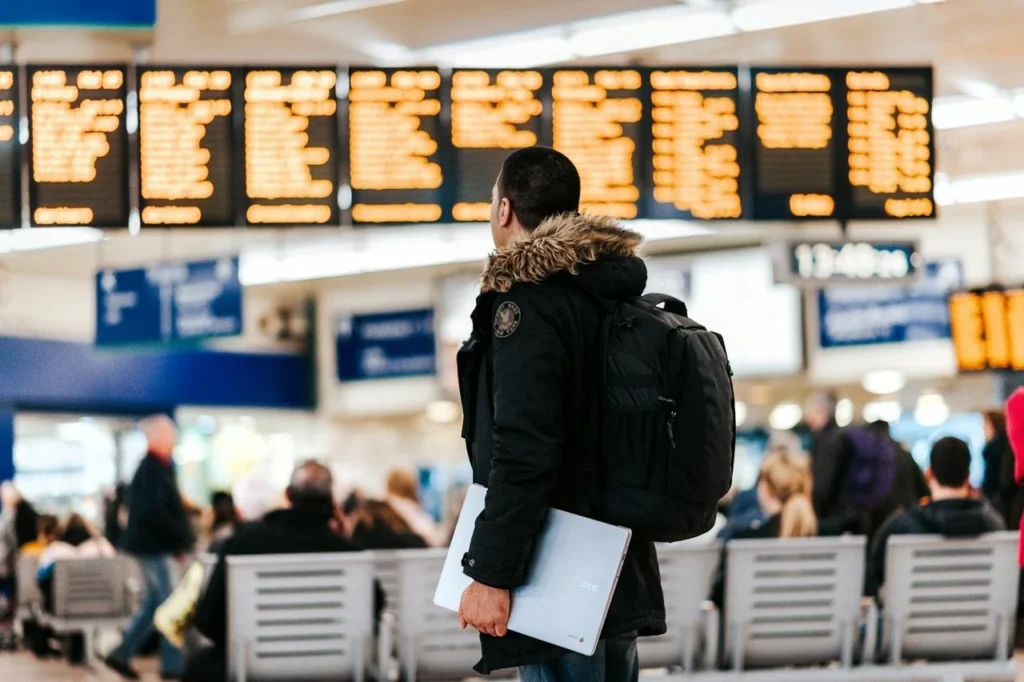
A surprising number of people don’t realise that having a passport isn’t the same thing as having a passport that’s accepted.
Plenty of countries want six months left before it expires. Some ask for blank pages. Some require electronic travel authorisation before getting on the plane. Visa rules also change. That’s why random Facebook groups and old travel blogs aren’t the best place for immigration advice. Official government websites usually have the latest requirements, and they take five minutes to check.
Small Things Can Turn into Expensive Mistakes
Here’s where assumptions become expensive. Crossing the road wherever there’s a gap in traffic? Fine in some places. Not everywhere. Lighting a vape? Depends where you are. Taking a photo beside a government building because the architecture looked interesting? Also depends. Even drinking alcohol outside, feeding birds, making too much noise late at night, or flying a drone for a few minutes can break local rules.
None of these sounds serious. Until somebody hands over a fine.
Renting a Car Isn’t Just Picking Up the Keys
Driving abroad has its own collection of surprises. Some countries expect an International Driving Permit. Others expect certain safety equipment inside the vehicle.
Road signs are different. Speed limits work differently. Roundabouts somehow become even more confusing than they already are. Then there’s public transport.
In parts of Europe, buying the train ticket isn’t actually the last step. Physical tickets often need to be validated before boarding. Miss that little machine on the platform and the inspector probably won’t accept “didn’t know” as an excuse. It’s one of those rules that almost nobody expects the first time.
Phones Make Taking Photos Easy – The Law Doesn’t Always Agree
Most holidays end up with hundreds of photos. That’s normal now. What’s easy to forget is that photography isn’t automatically allowed everywhere.
Museums often have their own rules. Government buildings are another story. Military sites, border crossings and security areas are usually obvious places not to point a camera, but there are also heritage sites where commercial photography needs permission.
Drone rules have become much stricter too. Something that looks like an empty park on a map might actually sit inside restricted airspace.
The UK Foreign, Commonwealth & Development Office keeps destination-specific travel advice updated, including local laws and restrictions.
Guided Tours Have Rules for A Reason
People sometimes think guides are only there to tell stories. Not really. A good guide also knows where groups are allowed to stop, where they shouldn’t block footpaths, which areas are private property and when photography becomes a problem. That matters more than people realise.
Take London, for example. Plenty of visitors spend the day around Westminster or the museums, then head out in the evening for something completely different. A Jack the Ripper tour ripper vision experience takes place through real streets that people still live and work in, so following the guide, staying with the group and respecting nearby residents isn’t just good manners – it keeps the evening running smoothly.
Also Read: WHY KEEP A BREAD CLIP IN YOUR WALLET WHILE TRAVELING
Most Problems Are Preventable
Travel has become easier. The rules haven’t. Countries update entry requirements. Cities introduce new regulations. Popular tourist destinations tighten restrictions as visitor numbers grow. That’s why copying somebody’s tour or travel plan from three years ago isn’t enough anymore.
A quick check of passport rules, visa requirements, medication restrictions and local regulations before leaving home removes most of the common headaches tourists run into. Nobody plans a holiday expecting to argue with airport staff, pay an unexpected fine or lose half a day sorting out paperwork. A little research won’t make the trip perfect. It does make those awkward surprises a lot less likely.