

Travelling with a dog can be great. It can also get complicated pretty quickly. There’s more to think about than just booking a pet-friendly hotel and putting a lead in the car.
Where will the dog sit?
What will they eat?
How often will they need a break?
What happens if the hotel has different rules than expected?
These are small things, but they can become annoying problems once the trip has already started. The easiest way around that is to sort out the basics before leaving.
Table of Contents
Table of Contents
Start with the Actual Journey
The first thing to think about is how the dog is getting there. For a road trip, letting a dog move around freely in the car might seem harmless, especially if they normally sit quietly. It’s still not a good idea. A proper harness, travel crate or seatbelt attachment keeps them more secure if the car brakes suddenly.
If the dog isn’t used to long drives, start with shorter ones. Just a few trips around town so the car does not suddenly become associated with a six-hour journey.
And then there’re breaks. Dogs need to get out, stretch, drink water and have a chance to relieve themselves. Finding somewhere quiet is much better than stopping somewhere packed with traffic and people.
For flights, check the airline rules early. Carrier sizes, cabin policies and pet restrictions can vary, even between airlines flying similar routes. IATA recommends checking the requirements directly with the airline before travelling.
Take the Things Your Dog Already Knows
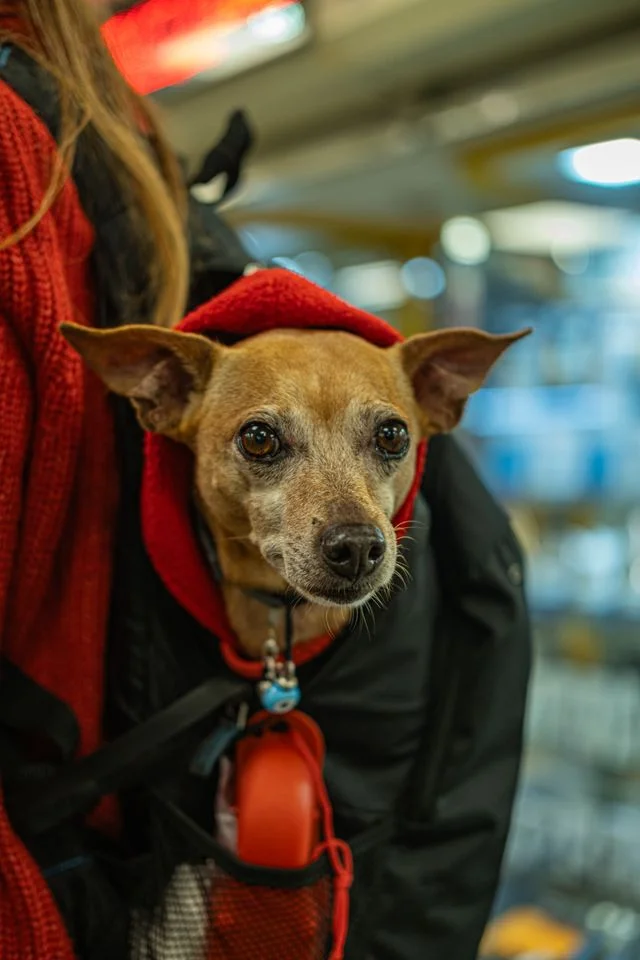
A new hotel room, new smells, different people and a completely different routine can be a lot for a dog. So there’s no real reason to change everything else too. Pack the usual food. Bring their normal bowl if there’s room. Take the lead they’re used to, some waste bags and something familiar for sleeping. A blanket can be enough. It sounds like a small thing, but familiar smells can help when everything around the dog suddenly looks different.
Food is another one worth planning properly. Finding food at the destination sounds easy until the exact food your dog eats isn’t available anywhere nearby. Taking enough for the trip is usually simpler. If a dog already eats something like cold pressed dog food, there’s no reason to turn the holiday into an experiment with a completely different diet. Just pack their usual food and keep meal times roughly where they normally are. That familiarity can be useful, particularly during a long journey.
Check the Paperwork Before You Need It
This is the boring part of travelling with a dog. It’s also the part that can ruin the trip if it gets ignored. International travel can involve microchipping, vaccinations, health certificates and other requirements. The rules depend on the countries involved, and they can change. For example, dogs travelling from Great Britain to the EU have specific requirements around identification and rabies vaccination. The current government guidance is a better place to check this than an old travel article or a random post in a Facebook group.
The airline should be checked separately too. Don’t assume that because an airline accepts pets, every flight or route has the same arrangements.
The Hotel Matters More Than It Seems
A hotel saying “dogs welcome” doesn’t always tell the whole story. There might be a pet fee. Certain rooms might be the only ones available to guests with dogs. There could be restrictions around leaving the dog alone in the room. Just Ask! It takes a few minutes before booking and can save a lot of hassle later.
Also look at what’s around the hotel. A nearby park or quiet walking route is useful. A hotel that technically allows dogs but has nowhere comfortable to walk them nearby is less useful than it sounds.
Once there, don’t completely throw away the normal routine. If the dog normally eats at 8am, keep it roughly around 8am. If they usually have a walk before bed, do that. It does not have to be exact. The idea is just to give them something familiar in an unfamiliar place.
Give Them a Chance to Settle
Arriving somewhere new can be exciting for people. For dogs, it can be confusing. After a long car ride or flight, give them some time before dragging them straight into sightseeing, restaurants and crowded places. Let them have water. Take them outside. Give them a chance to sniff around and work out where they are. Then see how they are doing. Some dogs will happily explore immediately. Others will want to sleep for a few hours. Both are fine.
IATA also recommends getting pets comfortable with their travel container before the actual journey, rather than expecting them to suddenly accept it on travel day. That sort of preparation is much easier to do at home.
Also Read : A Beginner’s Guide to Visiting Pompeii
Keep the Trip Simple
A dog-friendly vacation doesn’t need much detailed and extensive preparation. The majority of the necessities are covered by a safe mode of transportation, familiar food, adequate water, frequent pauses, and proper accommodation. It all boils down to focusing on the dog. Slow down if they appear exhausted. Explore a bit more if they are at ease and curious.
Enjoying the journey together is the main goal of bringing a dog along. A little advance planning reduces the amount of time spent on unnecessary issues once the trip really starts.